Earthwatch: South Africa - Leopards, Hyenas and Primates: Mammal Conservation in South Africa
- Location(s): South Africa
- Program Type(s): Volunteer
Earthwatch Institute


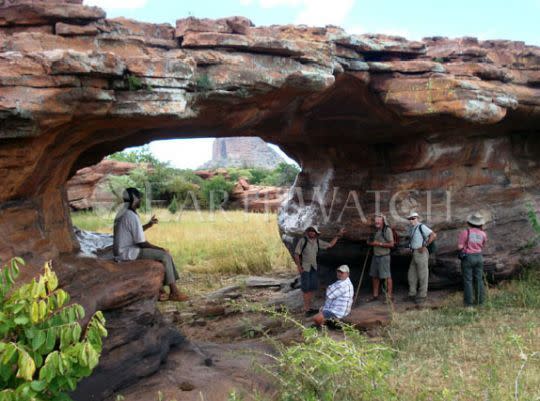
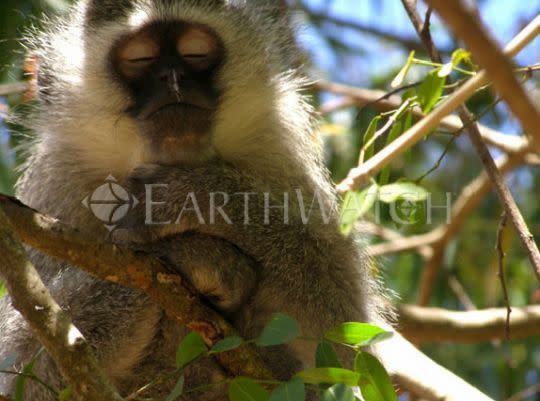
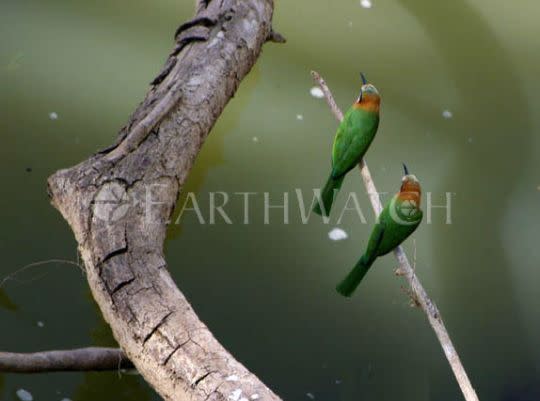
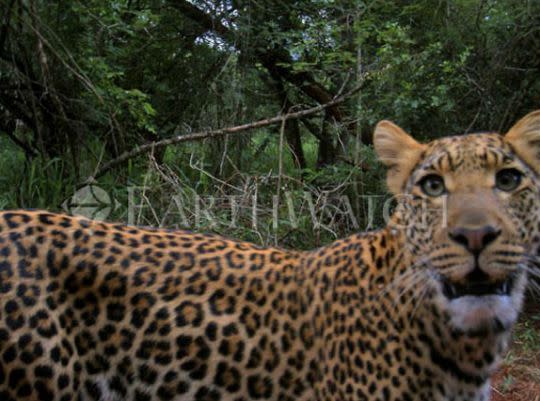
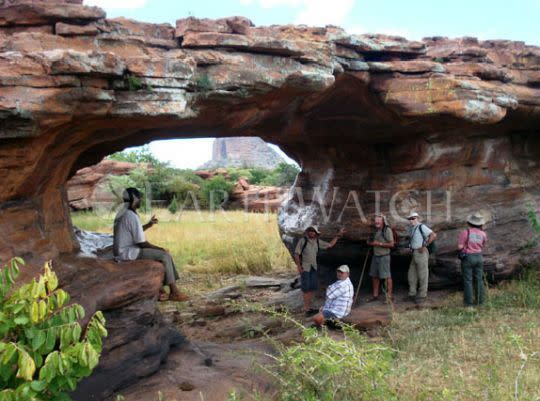
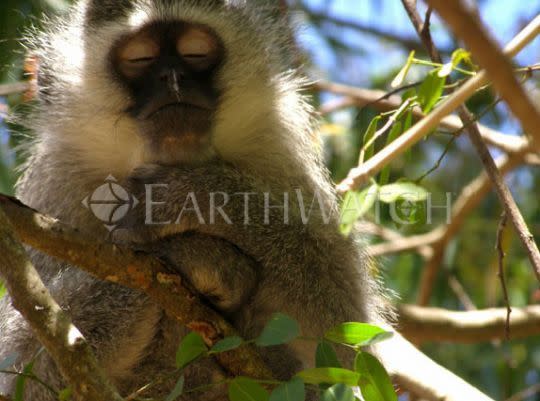
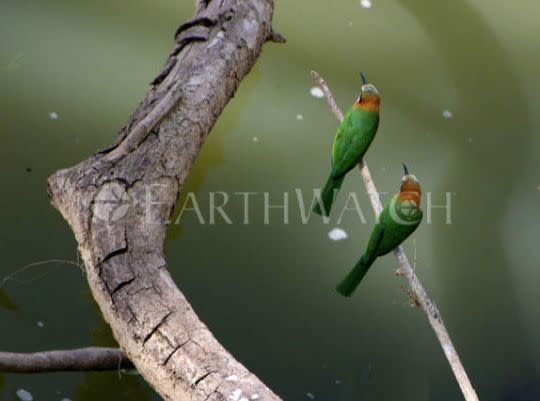
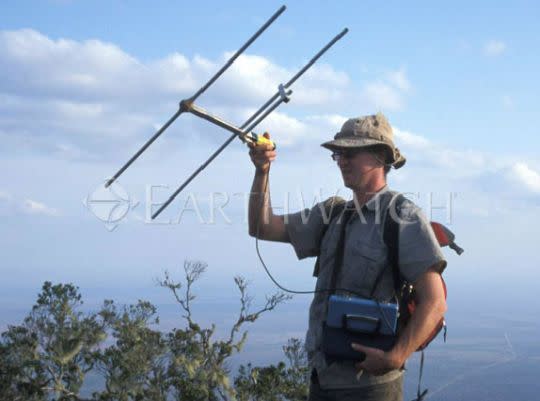

Study the perceptions and reality of human vs. wildlife conflict in the mountains of South Africa while living side-by-side along leopards, monkeys, baboons and other mammals under growing threat. You’ll help researchers assess the role of the So... read more
All Reviews
This program is lonely. If you went on this program leave a review!
About
Study the perceptions and reality of human vs. wildlife conflict in the mountains of South Africa while living side-by-side along leopards, monkeys, baboons and other mammals under growing threat.
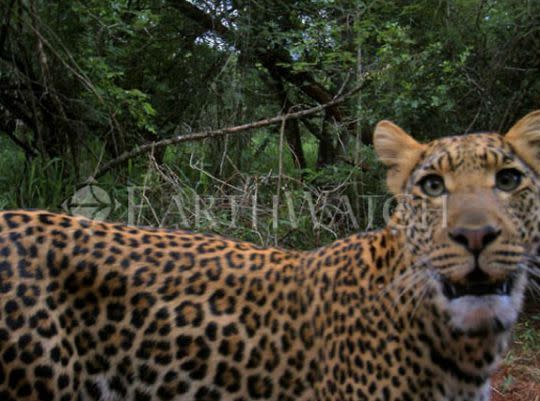
You’ll help researchers assess the role of the Soutpansberg Mountains in biodiversity conservation. This area is believed to have one of the highest densities of leopards anywhere in the world. You’ll be assisting with camera-trapping, GPS data collection and scat analysis, and conducting observations of mammalian behavior. The data you help collect will provide detailed information on the potential for managing human-wildlife conflict in this important region, a UNESCO Biosphere Reserve. You'll help determine the actual extent of livestock depredation, a chief source of community concerns over animals like leopards, hyaenas, and other predators. You'll also help study the actual rate of crop destruction by primate species, another key source of human/wildlife tension in the region.
When working with the chacma baboon, vervet monkey, and samango monkey aspects of the project, you'll orient your activities around the timing of dusk and dawn at the time of year you're in the field, generally conducting full day ""follows"" of the animals by arriving at their sleeping-sites before they stir and monitoring them until they return in the evenings. (You'll have time to rest at camp after these full-day activities.)
Pre-dawn activities could include checking on leopard camera-traps that have been set the night before, and some evening activities could include visiting monkey sites to help remotely download data from tracking collars. Although many activities will be conducted with the aid of a vehicle that will be used to transport equipment and volunteers over longer distances, many activities will allow you to work on foot in this beautiful ecosystem. For example, you may walk 5-10km carrying a day pack, GPS, batteries and notebook computers to some camera trap sites. Day-follows of primates may require similar distances and packs, though at a slower pace, sometimes over rugged terrain and through some vegetation.
Your typical day when working with camera traps and scat analysis will start with breakfast at 7 a.m. followed by a briefing on the day's activities, and then deploying either on foot or by vehicle to visit a number of camera trap stations to check for images and scan roads and tracks for scat. Teams will either return for lunch or bring packed lunched into the field depending on the day's assignments. You'll spend your afternoons at the wilderness camp, either downloading and processing the information from the cameras or filtering and processing scat at the research center.
Program Type(s):
VolunteerProgram Length(s):
- Custom
- Short Term
Instruction Language(s):
- English
Language Requirement(s):
- English